
Selling Guides
Who Buys Watches in Australia? How to Find and Vet a Buyer
The types of buyer operating in Australia, how to check one is legitimate before you hand over a watch, the red flags worth walking away from, and what a fair offer actually looks like.
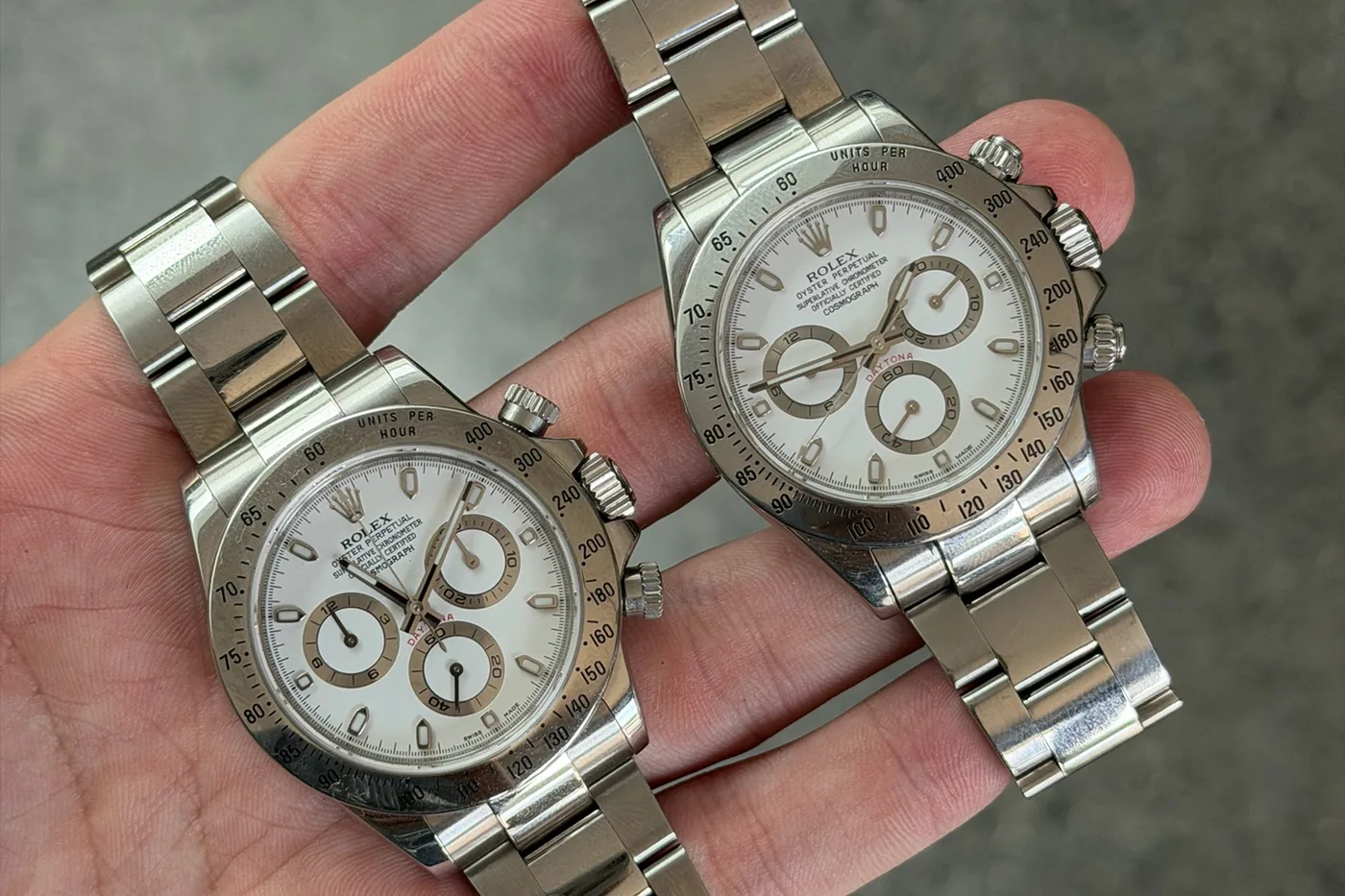
The short answer: watches in Australia are bought by specialist watch buyers, licensed second-hand dealers and pawnbrokers, auction houses, jewellers with a pre-owned counter, and private collectors. Only some of them are licensed, and only some of them price luxury watches accurately. The licence and the payment method are the two things worth checking before anything else.
This guide covers who the buyers actually are, how to check one before you hand over something valuable, and what separates a fair offer from a low one.
The types of buyer operating in Australia
Specialist watch buyers
Businesses whose entire trade is buying pre-owned luxury watches. They price accurately because they follow the secondary market daily, and they buy outright rather than on commission. This is the most common route for a mainstream luxury reference.
Licensed second-hand dealers and pawnbrokers
Regulated businesses that can buy outright or lend against an item. Licensing varies by state and the licence number should be published. A pawnbroker is the only option on this list that lets you raise money without giving up the watch.
Auction houses
Auction houses do not buy your watch. They sell it on your behalf and take a commission. Worth understanding, because "we will get you the best price" from an auction specialist means a future price after fees, not money today.
Jewellers with a pre-owned counter
Many jewellers will buy a watch, but watches are usually a sideline next to diamonds and gold. A generalist tends to price conservatively on a category they do not trade in daily, which typically means a lower offer.
Gold and bullion buyers
Worth naming specifically because this is where sellers lose the most money. A bullion buyer values a gold watch by melt weight. A gold Rolex or Patek is worth many multiples of its metal content. Never sell a luxury watch by weight.
Private collectors
Individual enthusiasts buying for their own collection. They can pay strongly for the right reference, but you carry all the payment risk yourself.
How to check a buyer before you hand anything over
Five checks, none of which take long.
- Licence. A second-hand dealer or pawnbroker licence number should be published on the website and verifiable with the relevant state regulator. Ours is SHD-0017882.
- ABN. Look it up on the ABN Lookup register and confirm the entity name matches the business you are dealing with, and that it is currently active.
- A real address and a real phone number. A mobile number and a web form alone is thin. You should be able to find where they are.
- Reviews you can trace to people. Google reviews with names and history are worth more than testimonials with initials on a company's own website.
- How and when you are paid. Bank transfer on the day, after authentication, is normal. "We will pay once it sells" is consignment, not a purchase.
Red flags worth walking away from
- An offer that drops sharply once the watch is in their possession. A preliminary figure should be given as a range and should hold unless the watch differs from what was described.
- Pressure to decide immediately. Any legitimate buyer expects you to get a second valuation.
- No authentication step. A buyer who does not check whether a watch is genuine is either not a specialist or is pricing for that risk, and you pay for it either way.
- Cash for a high-value watch with no paperwork. Licensed dealers are required to record transactions. A buyer avoiding a record is a problem for you as well as for them.
- Valuing a gold watch by weight. See above. Walk away.
- Requests to post the watch before any offer is agreed. Authentication in person, or a documented insured process, protects both sides.
What a fair offer looks like
Every outright buyer pays below full retail. That is not a trick; it reflects real costs. The buyer authenticates the watch, carries it as stock, warrants it to the next owner, and waits to resell. The question is not whether there is a margin, but whether the margin is reasonable and whether the starting number is the real market price.
A fair offer usually has three characteristics. It is explained rather than just stated. It references comparable recent sales rather than a list price. And it does not change after the watch is handed over, unless the watch is not what was described.
The gap between offer and retail is narrowest on in-demand steel sports models, and widest on dress watches, gold models with thin demand, and discontinued references that are slow to resell.
Which brands are actively bought in Australia
Demand is strongest for the brands with a deep secondary market. We buy all of these outright:
- Rolex, by a wide margin the most traded brand in Australia
- Patek Philippe
- Audemars Piguet
- Richard Mille
- Vacheron Constantin
- F.P. Journe
- Cartier
Other Swiss brands trade actively too, though the buyers who specialise in them are not always the same ones who handle the names above.
Who buys watches in each capital city
Buyers cluster in the eastern capitals, but a legitimate buyer should be able to deal with you wherever you are:
- Watch buyers in Sydney
- Watch buyers in Melbourne
- Watch buyers in Brisbane
- Watch buyers in Perth
- Watch buyers in Adelaide
- Watch buyers in Canberra
- Watch buyers in Hobart
- Watch buyers in Darwin
About Buy Your Watch
We are a specialist luxury watch buyer serving Australia, and a licensed second-hand dealer and pawnbroker, licence number SHD-0017882, ABN 85 670 502 315. We buy outright, authenticate every watch in person before payment is released, and pay by Osko. If you would rather not sell, we also lend against watches. Start with a free valuation, or compare your options first in our guide to where to sell a watch in Australia.
Frequently Asked Questions
Who buys watches in Australia?
Specialist watch buyers, licensed second-hand dealers and pawnbrokers, auction houses, jewellers with a pre-owned counter, and private collectors. Specialist buyers and licensed dealers buy outright and pay immediately. Auction houses sell on your behalf for a commission rather than buying from you.
How do I know a watch buyer is legitimate?
Check that a second-hand dealer or pawnbroker licence number is published and verifiable with the state regulator, confirm the ABN is active and matches the trading name on the ABN Lookup register, look for a real address and phone number, read Google reviews rather than on-site testimonials, and confirm how and when payment is made.
Do watch buyers pay less than retail?
Yes, and every outright buyer does. The buyer authenticates the watch, holds it as stock, warrants it to the next owner and waits to resell. A fair offer is one that is explained, references comparable recent sales, and does not change after the watch is handed over.
Should I sell a gold watch to a gold buyer?
No. A bullion or gold buyer values a watch by its metal weight. A gold luxury watch is worth many multiples of its melt value, so selling by weight is the single most expensive mistake a seller can make.
Is it safe to post a watch to a buyer?
Only under a documented and insured process, and never before an offer has been agreed. Authentication in person is safer for both sides, which is why certified watchmakers handle it directly.
Can I get more than one valuation?
Yes, and you should. Any legitimate buyer expects it. Pressure to decide on the spot is a reason to walk away.